
Complementary Techniques Assisted Reproduction
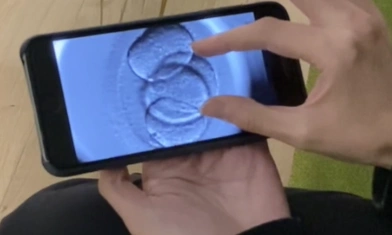
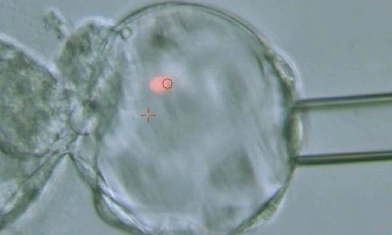
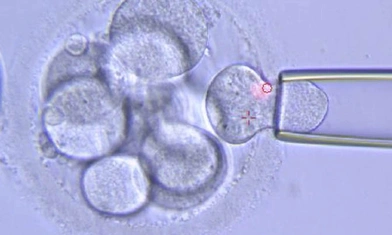
Intracytoplasmic Sperm Injection (ICSI) is a procedure that began development in 1992 in which a single sperm is injected directly into an egg using a microneedle. Unlike conventional In Vitro Fertilization (where sperm are incubated with the egg to allow fertilization to occur), ICSI achieves fertilization through sperm injection.
This technique was developed so that men with very low sperm counts or poor sperm motility would not have to resort to sperm donation. It is currently indicated in most IVF treatments.
ICSI can only be performed when the oocytes are mature, meaning they are at the optimal stage for fertilization. This only accounts for a portion of the total number of oocytes retrieved in a cycle. Some oocytes are of poor quality and are damaged during sperm injection.
Of the good quality oocytes, it usually achieves a fertilization rate of 70%.
In principle, the embryo quality results between ICSI and conventional IVF are comparable. Some experts believe that manipulating the oocyte can alter embryo quality, but this is likely due to the experience of the biologist performing the procedure.
Yes, if the quality of the embryos is comparable.
In cases of severe male factor infertility, before performing in vitro fertilization with intracytoplasmic sperm injection (ICSI), it is important to study testicular meiosis to rule out genetic abnormalities in sperm that could lead to repeated pregnancy failures or embryonic abnormalities. In some cases, if there is a sufficient number of spermatogenesis cells, this study can be performed on semen.
One of our team members will be in touch shortly through your preferred method of communication.
Fill out the form and we will contact you to arrange a visit with a specialist in Assisted Reproduction.