Assisted Reproduction Treatments
Artificial insemination may be an option in selected cases, particularly when the woman’s age, ovarian reserve, fallopian tube patency and sperm quality allow a simpler technique than IVF to be considered. The treatment can be performed using sperm from the partner or a donor, depending on each patient’s medical and personal circumstances.
Before recommending artificial insemination, the specialist reviews the fertility assessment, ovulatory cycle and semen analysis results. This assessment is important because artificial insemination is not suitable for all cases of infertility. When there is moderate or severe male factor infertility, low ovarian reserve, advanced maternal age, blocked fallopian tubes or previous unsuccessful treatments, the doctor may recommend considering IVF directly.
The aim is to choose the most medically appropriate treatment for each case, avoiding unnecessary delays and clearly explaining the realistic chances of pregnancy.
Artificial insemination is generally recommended for women up to 38 years of age.
First visit + Medical orientation + Medical tests
Ovarian stimulation + Gynecological check-ups + Semen sample preparation + Insemination
Beta wait + Pregnancy test
The donor is personally selected by the doctor to ensure the most suitable match for each patient. Blood type and RH are taken into account, as well as the physical characteristics of the prospective parents (eye color, hair color, skin color, etc.), as well as their hereditary character traits.
Donors undergo a comprehensive medical examination and laboratory test, including a karyotype, tests to rule out infectious diseases, and specific tests to rule out the most common mutations in the European population.
They also undergo periodically repeated blood tests to detect sexually transmitted diseases, a family medical history to rule out possible diseases, tests to detect chromosomal abnormalities in the ejaculate (FISH in sperm), and a thorough sociological and psychological assessment.

See below for the base prices of our treatments. We finance your treatments interest-free. Learn more about financing options here.
Artificial insemination is less invasive and less expensive than in vitro fertilization (IVF). In artificial insemination, fertilization occurs naturally inside the body, whereas in IVF, fertilization takes place in a laboratory and the embryos are then transferred to the uterus.
The cost of artificial insemination can vary depending on the clinic and the country, but it generally ranges from 600 to 2,000 euros per cycle. This cost may include medical consultations, ultrasounds, and the insemination procedure itself.
Artificial insemination is not usually painful, although some women may experience mild discomfort or cramps similar to menstrual ones during the procedure.
Ovarian stimulation is carried out through the administration of hormonal medication that helps the ovaries produce more than one egg in a cycle. This increases the chances of success in artificial insemination.
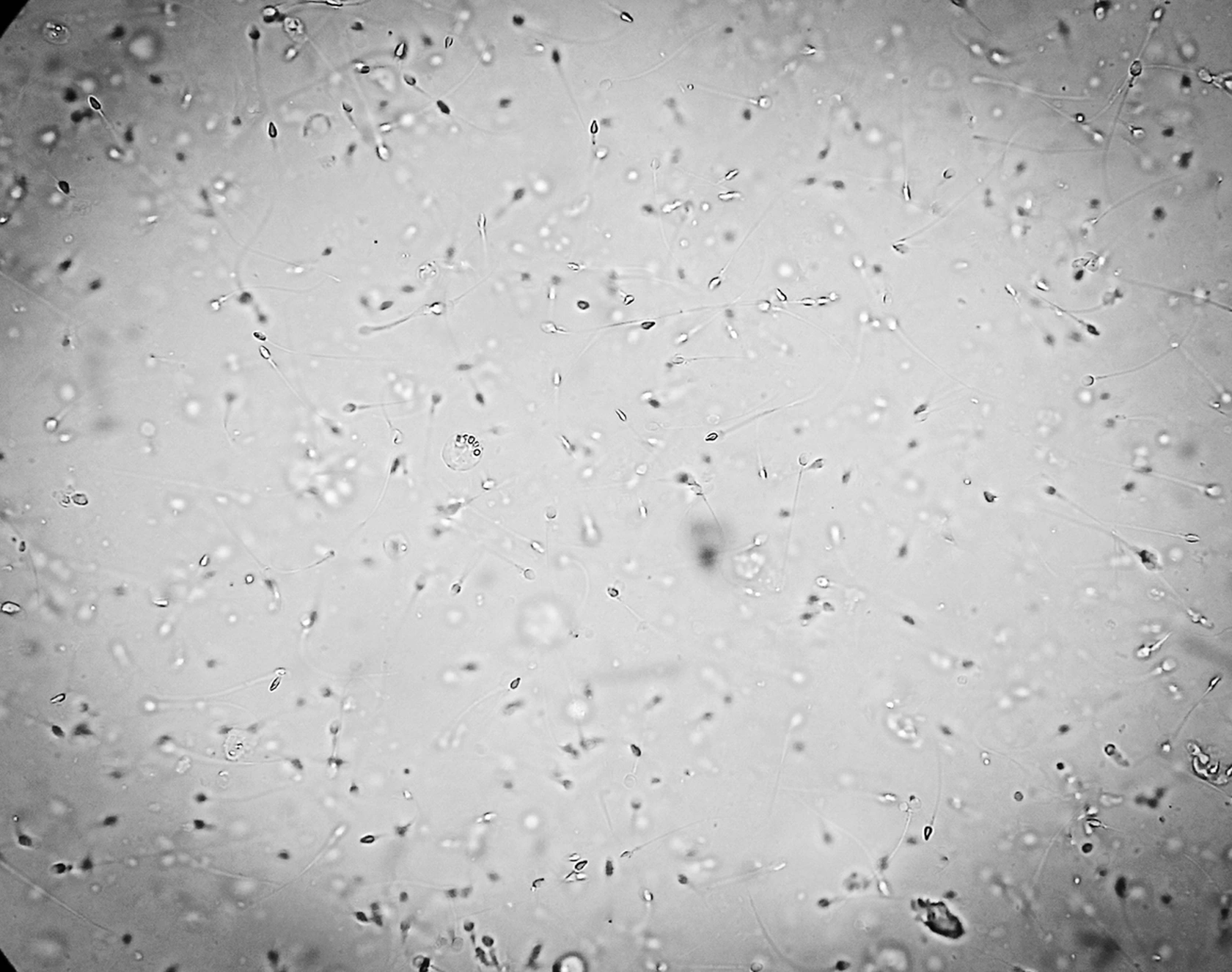
The semen undergoes a capacitation process in the laboratory, where the highest-quality sperm are selected and non-viable ones are removed. This process increases the chances of success by using only the most motile sperm.
Yes, it is possible to use donor sperm in artificial insemination. This is a common approach for single women, lesbian couples, or in cases of severe male infertility.
Artificial insemination is usually a brief outpatient procedure. In many cases, it does not require prolonged rest, although the medical team will provide specific recommendations depending on the treatment and the patient’s individual circumstances.
Moving to IVF may be considered if pregnancy is not achieved after several attempts, if age or ovarian reserve reduces the available time, if the semen analysis results are not suitable for artificial insemination, or if there is a cause of infertility that requires fertilisation in the laboratory. The decision should be individualised with the specialist.