
Category
Dec 4, 2025

Introduction Welcome to the Institut Marquès medical dictionary. Here you will find simple yet rigorous explanations of the most common terms in gynecology, obstetrics, reproductive biology, and fertility. Our goal is to help you understand your diagnosis and treatment.
Looking for information on key topics? Visit our specialized guides for detailed information:
Embryo Development (Blastocyst, Zygote, Morula) – [Link to Cluster 1]
Male Infertility (Sperm Analysis, ICSI, Teratozoospermia) – [Link to Cluster 2]
The Two-Week Wait & Pregnancy (Implantation, Symptoms) – [Link to Cluster 3]
Genetics & PGT (PGD, Karyotype, Aneuploidy) – [Link to Cluster 4]
Female Infertility (Endometriosis, PCOS, Low Reserve) – [Link to Cluster 5]
Recurrent Miscarriage Occurrence of 3 or more consecutive miscarriages or 5 alternate ones. Causes can be genetic, uterine, hormonal, or immunological. Requires specialized study.
Adolescence Period of transition between childhood and adulthood, where significant physical, hormonal, and sexual changes occur.
Sperm Quality Alterations Any deviation from normal values in the sperm analysis (concentration, motility, or morphology) that hinders natural fertilization.
Amenorrhea Absence of menstruation. It can be primary (if it has never appeared by age 15) or secondary (if it disappears for more than 3-6 months in a woman who was menstruating).
Amniocentesis Prenatal diagnostic test that involves extracting a small amount of amniotic fluid to analyze chromosomes and detect possible genetic defects in the fetus.
Sickle Cell Anemia Hereditary disease of red blood cells. It can be detected in embryos using PGT-M to prevent transmission to offspring.
Epidural Anesthesia Type of regional anesthesia that blocks pain in the lower body, commonly used during childbirth.
General Anesthesia State of controlled unconsciousness using drugs, used in major gynecological surgeries.
Local Anesthesia Anesthesia that numbs only a specific small area of the body, used in minor procedures.
Anejaculation Inability to ejaculate semen, despite having an erection and orgasm. May require testicular sperm retrieval.
Chromosomal Anomalies Alterations in the number or structure of chromosomes, which can cause infertility, miscarriages, or genetic diseases.
Contraception Methods or devices used to prevent pregnancy (pill, IUD, condom, etc.).
ASCUS Acronym for "Atypical Squamous Cells of Undetermined Significance." A cytology result indicating mild changes in cervical cells.
Aspermia Total absence of ejaculate (no semen comes out). Different from azoospermia (semen comes out but without sperm).
Spinal Muscular Atrophy (SMA) Severe genetic disease affecting motor neurons. Can be prevented by PGT-M if parents are carriers.
Doderlein Bacilli Beneficial bacteria that are part of the normal vaginal flora and protect against infections.
Polar Body Biopsy Technique to analyze the egg's genetics before fertilization by analyzing its polar body.
Testicular Biopsy Simple surgical procedure to obtain sperm directly from the testicle when not present in the ejaculate.
Blastomere Cell resulting from the first divisions of the fertilized egg. A Day 3 embryo usually has between 6 and 8 blastomeres.
Breast Cancer Abnormal cell growth in breast tissue. Fertility preservation before oncology treatment is key for future pregnancies.
Cytology (Pap Smear) Gynecological test to detect changes in cervical cells that could lead to cancer.
Climacteric Transition period before and after menopause, characterized by hormonal changes and the end of the reproductive stage.
Coitus Interruptus Unreliable contraceptive method consisting of withdrawing the penis before ejaculation.
Polar Body Small cell formed during egg maturation. Its presence indicates the egg is mature (MII) and suitable for fertilization.
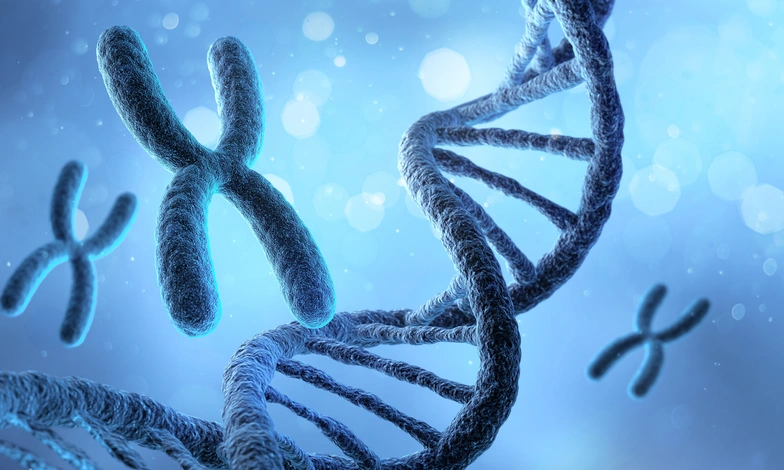
Chromosomes Structures containing DNA. Humans have 46 chromosomes (23 pairs). Alterations in them cause genetic problems or infertility.
Deletion Genetic anomaly where a part of a chromosome or DNA sequence is lost.
Diaphragm Barrier contraceptive method placed at the back of the vagina to cover the cervix.
Erectile Dysfunction Persistent inability to achieve or maintain an erection sufficient for satisfactory sexual intercourse.
Dysmenorrhea Intense pain during menstruation. Can be a symptom of endometriosis or other pathologies.
Dysplasia Presence of abnormal cells in a tissue, which can be a precancerous stage (common in the cervix).
Myotonic Dystrophy (Steinert) Hereditary muscle disease. Carrier patients can use PGT-M to have healthy children.
IUD (Intrauterine Device) Small contraceptive device inserted into the uterus to prevent pregnancy.
Embryo Donation (Adoption) Treatment where embryos donated by other couples who have completed their family are transferred.
Doppler Ultrasound Ultrasound technique that allows viewing blood flow in reproductive organs and the fetus.
Advanced Maternal Age Medical term for pregnant women aged 35 or older, associated with a higher risk of aneuploidies.
Ectopic Pregnancy Pregnancy developing outside the uterus, usually in the fallopian tubes. It is non-viable and requires medical treatment.
Endometrectomy Surgical procedure to remove the uterine lining (endometrium), used to treat excessive bleeding.
Endoscopy Diagnostic technique allowing visualization inside the body using a camera (includes hysteroscopy and laparoscopy).
Huntington's Disease Hereditary neurodegenerative disorder. Avoidable through embryo selection (PGT-M).
Tay-Sachs Disease Fatal genetic disease affecting the nervous system. Preventable with PGT-M.
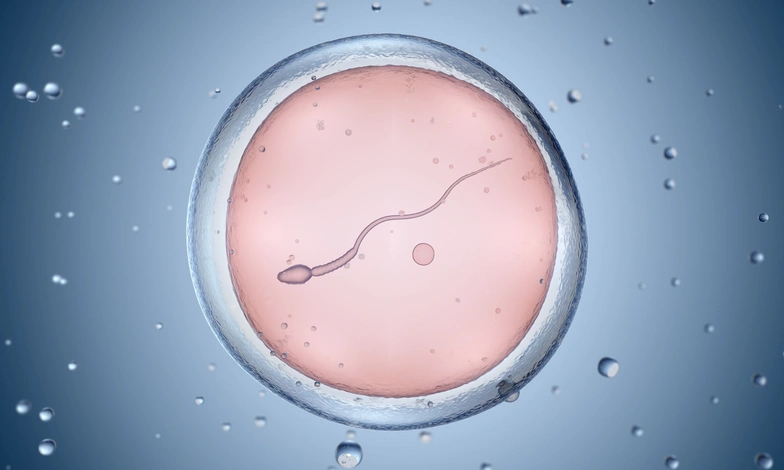
Sperm (Spermatozoon) Male reproductive cell responsible for fertilizing the egg. Consists of head (DNA), neck, and tail.
Sterility Inability to conceive after one year of unprotected intercourse. Different from infertility (ability to conceive but not carry pregnancy to term).
Ovarian Stimulation Hormonal treatment to induce ovaries to mature multiple eggs in one cycle, key for IVF.
Premature Ejaculation Sexual dysfunction where ejaculation occurs sooner than desired, often before or shortly after penetration.
In Vitro Fertilization (IVF) Assisted reproduction technique where fertilization of the egg by the sperm takes place outside the mother's body, in a specialized laboratory.
Fibroadenoma Benign breast tumor, very common in young women, composed of glandular and fibrous tissue. Usually requires no treatment unless it causes discomfort.
Phytoestrogens Plant compounds mimicking natural estrogen action. Often used to relieve mild menopause symptoms.
Follicle Small fluid-filled sac located in the ovary containing an immature egg. During ovarian stimulation, we monitor its growth via ultrasound.
Gamete Sexual reproductive cell. In women, it is the oocyte (egg), and in men, the spermatozoon.
Sentinel Node The first lymph node where cancer cells from a primary tumor (e.g., breast cancer) are most likely to spread. Its analysis is key in oncology.
Haploid Cells having a single set of chromosomes (23 in humans), like eggs and sperm. Upon joining, they form a diploid cell (46 chromosomes).
Hemophilia A Hereditary X-linked disease affecting blood clotting. Through PGT-M, we can select embryos free of this disease.
Hyperspermia Ejaculation with a semen volume higher than normal (>6 ml). Usually does not affect fertility, though sperm concentration is sometimes lower.
Endometrial Hyperplasia Excessive growth of endometrial cells (inner lining of the uterus). Can be a risk factor and requires gynecological monitoring.
Hypospermia Ejaculate volume less than 1.5 ml. Can be due to obstructions, retrograde ejaculation, or hormonal problems.
Hysterectomy Surgery to remove the uterus. Can be total (includes cervix) or partial. Implies the impossibility of gestating.
Hysteroscopy Procedure allowing viewing inside the uterus using a very thin camera. Used to diagnose and treat polyps, fibroids, or malformations.
XYY Men (Jacobs Syndrome) Genetic alteration where a male has an extra Y chromosome. Can affect fertility, though many men with this syndrome can have healthy children.
Artificial Insemination (AI) Simple assisted reproduction technique consisting of depositing a capacitated (optimized) sperm sample inside the woman's uterus during ovulation.
Chromosomal Inversion Structural alteration where a chromosome segment changes direction. May not affect the carrier but causes fertility problems when trying to conceive.
Laparoscopy Minimally invasive surgery allowing visualization and operation in the abdominal cavity through small incisions. Used for endometriosis, cysts, or tubal ligation.
Tubal Ligation Permanent surgical contraceptive method consisting of cutting or blocking the fallopian tubes to prevent the egg from reaching the uterus.
Lymphadenectomy Surgical removal of one or more groups of lymph nodes, usually as part of gynecological cancer treatment.
Tumor Markers Substances found in blood, urine, or tissues which, at elevated levels, may suggest the presence of certain types of cancer.
Mastectomy Surgery to remove the entire breast, usually to treat or prevent breast cancer.
Mastitis Inflammation of breast tissue sometimes involving infection. Causes pain, swelling, and redness; common during breastfeeding.
Fibrocystic Breast Changes Benign (non-cancerous) changes in breast tissue giving it an irregular or lumpy texture. Very frequent.
Embryonic Medicine Specialty focusing on the study, diagnosis, and treatment of the embryo from fertilization to its first stages of development.
Meiosis Cell division process reducing chromosome number by half to form eggs and sperm. Errors in this phase cause aneuploidies.
Menopause Time in a woman's life when menstrual periods cease permanently and natural reproductive capacity ends.
Metaplasia Reversible change where one type of adult cell is substituted by another type of adult cell, often as a response to chronic irritation (e.g., in the cervix).
Barrier Method Contraceptives physically blocking sperm access to the uterus (condom, diaphragm).
ROPA Method "Reception of Oocytes from Partner." Treatment for female couples where one provides the eggs (genetic mother) and the other carries the baby (gestational mother).
Triple X Syndrome (XXX) Chromosomal anomaly where a woman has three X chromosomes. Many have no symptoms, but there may be a risk of premature ovarian failure.
Mutation Change in DNA sequence. Can be benign, cause diseases, or affect fertility.
Necrozoospermia Condition with a very high percentage of dead sperm in the ejaculate.
Neurofibromatosis Genetic disorder of the nervous system. If a parent is affected, PGT-M is recommended to avoid transmitting it to offspring.
Normozoospermia Sperm analysis result where all parameters (count, motility, and shape) are within normal values defined by WHO.
Atrophic / Trophic Pattern Terms used in cytology or biopsy to describe cell status, indicating lack of estrogen (atrophic) or normal hormonal state (trophic).
Abortion Pill Medication used to terminate a pregnancy in its early stages. Not to be confused with the "morning-after pill."
Polycystic Kidney Disease Hereditary disease where cysts form in kidneys. One of the pathologies avoidable through embryo selection (PGT-M).
Polyzoospermia Excessively high sperm concentration in semen (>250 million/ml). Sometimes paradoxically associated with lower fertility or higher miscarriage rate.
Precocious Puberty Appearance of secondary sexual characteristics before age 8 in girls or 9 in boys. Requires endocrinological assessment.
Ovarian Puncture (Retrieval) Simple intervention under sedation to extract eggs from ovaries via ultrasound-guided aspiration. It is the step prior to IVF.
Retinoblastoma Eye cancer affecting young children. Has a strong hereditary component detectable via genetic diagnosis.
Screening Tests performed to detect possible diseases or anomalies in an apparently healthy population (e.g., prenatal screening, cytology).
Syphilis Bacterial sexually transmitted infection. If untreated, can cause serious complications and affect pregnancy.
Down Syndrome (Trisomy 21) Genetic alteration caused by an extra copy of chromosome 21. Most frequent cause of chromosomal intellectual disability.
Edwards Syndrome (Trisomy 18) Severe genetic disorder from an extra chromosome 18. Most pregnancies with this trisomy do not reach term.
Klinefelter Syndrome (XXY) Genetic condition in males born with an extra X chromosome. Frequent cause of azoospermia (absence of sperm), though sperm can sometimes be retrieved via biopsy.
Marfan Syndrome Hereditary disorder affecting connective tissue. PGT-M can be performed to prevent the future baby from inheriting the disease.
Patau Syndrome (Trisomy 13) Severe genetic syndrome caused by an additional chromosome 13. Associated with multiple malformations.
Turner Syndrome Genetic disorder affecting only females, caused by total or partial absence of an X chromosome. Causes short stature and infertility.
Fragile X Syndrome Hereditary genetic cause of intellectual disability. Female carriers are at risk of premature ovarian failure (early menopause).
Thalassemias Group of hereditary blood disorders affecting hemoglobin. Detectable and avoidable via preimplantation genetic diagnosis.
Genetic Compatibility Test Blood test performed on couple members to rule out both being carriers of the same recessive disease (which would affect the baby).
HRT (Hormone Replacement Therapy) Hormonal medication to relieve menopause symptoms and prevent osteoporosis.
Varicocele Dilation of veins within the scrotum. Can increase testicular temperature and affect sperm quality and quantity.
Vasectomy Male sterilization surgery cutting the vas deferens. Reversible via vasovasostomy, or sperm can be obtained via biopsy.
Human Papillomavirus (HPV) Very common sexually transmitted virus. Some high-risk strains are linked to cervical cancer.
Vitrification Ultra-fast freezing technique allowing indefinite preservation of eggs and embryos without ice crystal formation damaging cells.
Vulvovaginitis Inflammation or infection of the vulva and vagina, causing itching, pain, and discharge.